Da Nang’s culinary scene in 2025 is officially on the global map, with 7 restaurants newly recognized by the MICHELIN Guide—each offering a distinct taste of Vietnam’s central coast. Here’s a curated breakdown of the standouts:
🍽️ One MICHELIN Star
- La Maison 1888 – Located at the InterContinental Danang Sun Peninsula Resort, this French fine-dining gem offers a luxurious colonial setting and a refined tasting menu featuring premium ingredients from Vietnam, France, and Japan.
🌿 MICHELIN Green Star
- Nén Danang Restaurant – A pioneer in sustainable Vietnamese cuisine, Nén blends modern techniques with local ingredients. The seasonal tasting menu is paired with hand-drawn cards explaining each dish’s story.
💰 Bib Gourmand (Great food at moderate prices)
- Bánh Xèo 76 – Famous for sizzling Vietnamese pancakes grilled over charcoal. Address: 85A Le Van Huu, Ngu Hanh Son
- Bún Bò Huế Bà Thương – A 50-year-old local favorite serving spicy beef noodle soup. Address: 23 Tran Quoc Toan, Hai Chau
- Quê Xưa – Rustic ambiance with straw chandeliers and a menu focused on Mỳ Quảng and Bánh Thịt Heo. Address: 1165-167 Nui Thanh, Hai Chau
- Shamballa – A serene vegetarian retreat with Tibetan décor and Vietnamese plant-based dishes. Address: 277 Tran Hung Dao, Son Tra
🍜 MICHELIN Selected (Quality cuisine worth trying)
- Bếp Cuốn – Cozy indoor-outdoor space with authentic Vietnamese platters and combo dishes. Address: 31-33 Tran Bach Dang, Son Tra
- Bún Riêu Cua 39 – Morning-only crab noodle soup spot under a large tree. Address: 39 Le Hong Phong, Hai Chau
- Mộc – Rustic seafood haven with fairy lights and garlic butter lobster. Address: 26 To Hien Thanh, Son Tra
THE DA NANG DAILY GRIND

An Introduction from Chef Chuck: A Culinary Journey to Da Nang, Vietnam
With over four decades of experience as a professional chef in Palm Beach County, Florida, my life has been a celebration of flavor, culture, and creativity. My journey through the culinary world has been driven by an insatiable passion for food—not just cooking it, but understanding the customs, ingredients, and traditions that give each dish its soul. From high-end kitchens to local markets, I’ve always believed that food is the most intimate and joyful way to connect with people and their stories.
In just two weeks, I’ll be embarking on a journey that has long been on my culinary bucket list: Da Nang, Vietnam. The anticipation is almost overwhelming. I’m filled with excitement to immerse myself in the vibrant food culture of this coastal city—a place where the scent of lemongrass mingles with the salty breeze, and every alleyway hides a new flavor waiting to be discovered.
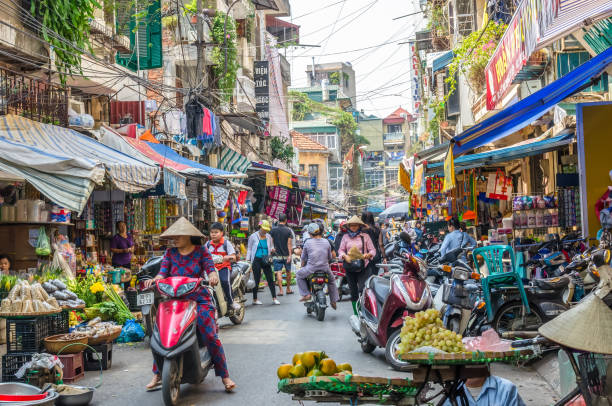
I’m especially eager to explore the bustling street markets, where local vendors showcase their freshest ingredients—herbs still dewy from the morning harvest, exotic fruits I’ve only read about, and seafood straight from the boats. I want to talk to the people, hear their stories, and watch their cooking techniques passed down through generations. I’m not just visiting Da Nang—I’m seeking to understand it, through its food, its people, and its customs.
This trip is not only a personal adventure, but a professional pilgrimage. I’m looking forward to discovering unfamiliar ingredients, expanding my palate, and bringing home inspiration that will infuse new life into my own cooking and culinary storytelling.
Da Nang, I’m coming hungry—and ready to learn.
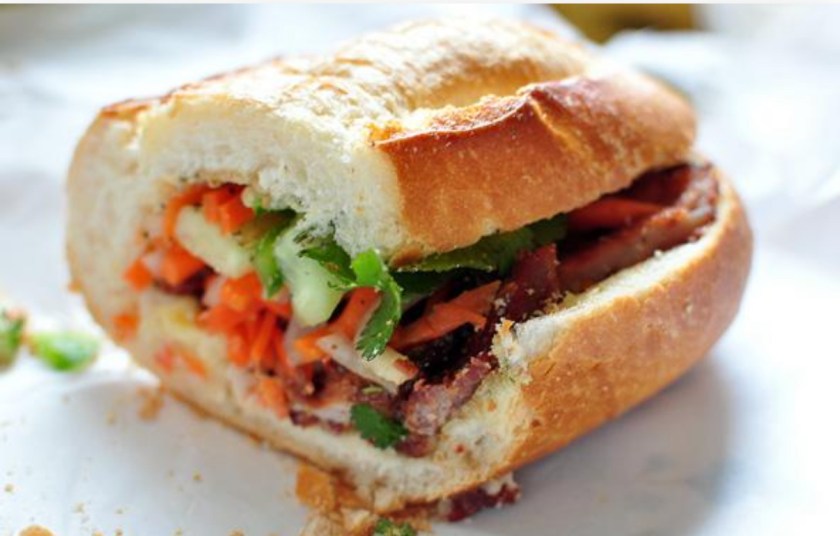
Welcome to Da Nang, where food isn’t just cooked—it’s celebrated. This guidebook opens with the eyes of a chef who’s cooked around , yet found something unique in this Vietnamese coastal city: a culture that simmers joy, generosity, and ancestral skill in every meal.
Inside, you’ll discover street-side stalls that serve poetry by the bowl, families who treat guests like long-lost cousins, and recipes that whisper centuries of tradition. Whether you’re here to taste, learn, or simply feel alive, Da Nang offers a feast for every sense.
So sharpen your chopsticks. We’re about to dig in.
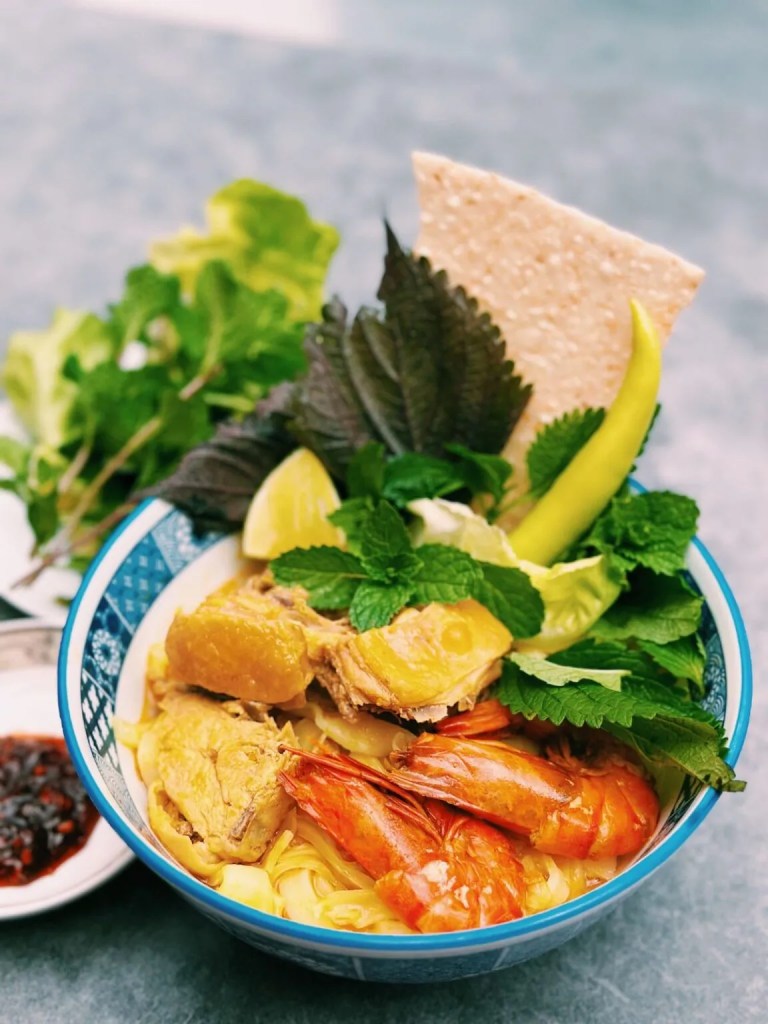
Here’s a beautiful image of mì Quảng, the iconic noodle dish from central Vietnam. It typically features turmeric-infused rice noodles topped with shrimp, pork, fresh herbs, crushed peanuts, and crispy rice crackers—all bathed in a rich, savory broth. This dish isn’t just a meal—it’s a sensory celebration
Mì Quảng – Vietnamese Turmeric Noodles
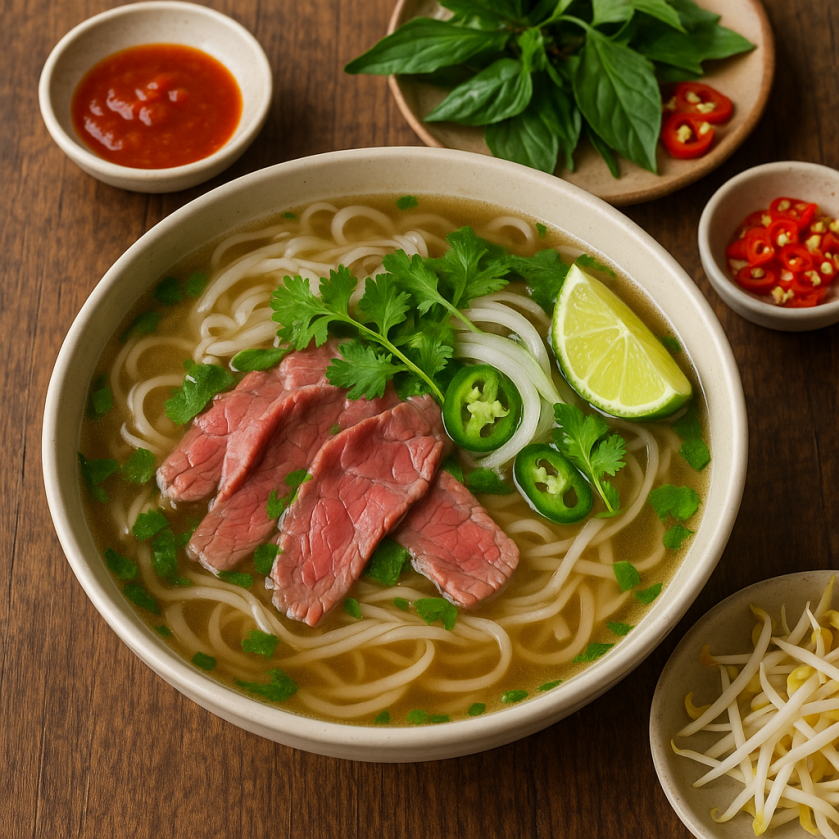
Phở tái is one of the most beloved and elegant variations of Vietnam’s national dish, phở. It’s a beef noodle soup that features paper-thin slices of raw beef—typically sirloin or tenderloin—added to the bowl just before serving. The magic happens when piping hot, aromatic broth is ladled over the beef, gently cooking it to a tender, silky finish right in the bowl.
🍜 What Makes Phở Tái Special:
- Broth: Simmered for hours from beef bones, charred onion, ginger, and toasted spices like star anise, cinnamon, and cloves. It’s clear, rich, and deeply fragrant.
- Noodles: Flat rice noodles (bánh phở) that are soft yet resilient, perfect for soaking up the broth.
- Beef: “Tái” means rare—so the beef is sliced ultra-thin and added raw, cooking instantly in the hot broth.
- Toppings: Fresh herbs (Thai basil, cilantro), bean sprouts, lime wedges, and chili slices let diners customize each bowl.
🔥 Sensory Experience:
The moment the broth hits the beef, you get a burst of steam and aroma—like a kitchen secret unfolding. The beef turns blush-pink and tender, the noodles soften, and the herbs release their oils. It’s not just a soup—it’s a performance.
🥩 Beef Variations Beyond Tái
🔸 Phở Tái Chín
The best of both worlds:
- Tái: Raw beef slices added just before serving, poached by hot broth
- Chín: Pre-cooked brisket or flank simmered in broth until fork-tender
This combo gives textural contrast—the silkiness of rare beef and the depth of slow-cooked meat.
🔸 Phở Tái Lăn
- Stir-fried rare beef tossed briefly with garlic and oyster sauce before joining the bowl
- Bold and savory, perfect for those who like more umami punch
🍃 Topping Rituals & Customization
No bowl is complete without:
- Thai basil, cilantro, scallions
- Bean sprouts, sawtooth herb (ngò gai)
- Fresh lime wedges, chili slices or sriracha
- Hoisin sauce on the side for dipping beef
You’re not just eating—you’re composing your own flavor symphony at the table.
Taste That Speaks
🌶️Da Nang cooks with conviction. Street vendors fan charcoal flames beneath pork skewers kissed by lemongrass and smoke. Bánh xèo crackles as batter meets iron, folded around shrimp that taste of the sea breeze itself. And that bún chả cá? A layered harmony—sweet, briny, and edged with heat, like poetry in broth. Here, taste isn’t just about ingredients—it’s how the community tells its story. Bold. Humble. Unforgettable.
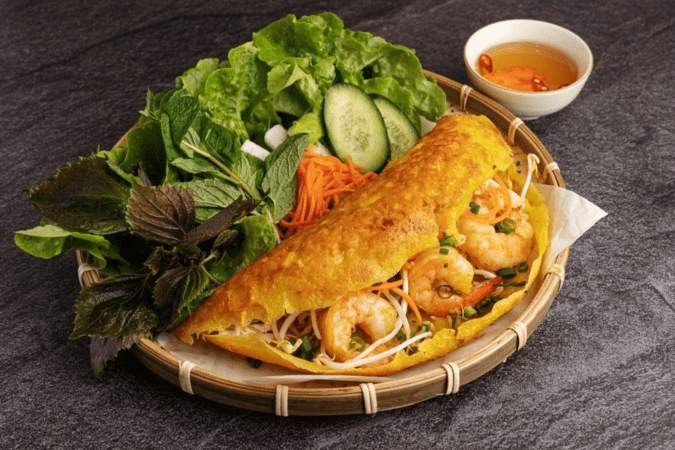
Here’s a delicious image of bánh xèo, Vietnam’s iconic sizzling crepe. It’s typically made from rice flour and turmeric, filled with shrimp, pork, and bean sprouts, then served with fresh herbs and lettuce for wrapping—plus a side of tangy nước chấm dipping sauce
You can view a vibrant example on https://www.cooking-therapy.com/banh-xeo/ The golden crisp edges and colorful fillings really capture the dish’s street-side charm.
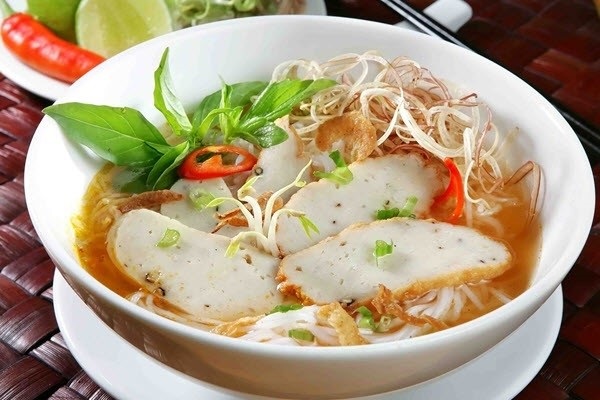
Ah, bún chả cá—a coastal Vietnamese classic that’s as comforting as it is vibrant. This noodle soup features springy fish cakes (chả cá) served in a clear, aromatic broth alongside rice vermicelli, fresh herbs, and often a side of spicy dipping sauce.
🍜 What’s in a Bowl of Bún Chả Cá?
- Broth: Typically made from pork or fish bones simmered with ginger, sả (lemongrass), tomatoes, and sometimes pumpkin or pineapple for natural sweetness.
- Chả cá: Fish cakes made from ground fish (like mackerel or lizardfish), seasoned and either steamed, fried, or poached. Some bowls include both fried and boiled versions for texture contrast.
- Noodles: Soft rice vermicelli (bún) that soak up the broth beautifully.
- Toppings: Dill, scallions, cilantro, and sometimes pickled vegetables or chili slices.
- Sides: A plate of fresh greens—lettuce, mint, basil—and a small bowl of nước mắm (fish sauce) with garlic, lime, and chili.
🔥 Flavor Profile
It’s light yet savory, with a subtle sweetness from the vegetables and a gentle brininess from the fish. The chả cá adds chew and umami, while the herbs brighten each bite. It’s a dish that feels both nourishing and celebratory.
https://danangfantasticity.com/en/discovery/bun-cha-ca-fish-cake-noodle-soup
🍃Aromas of the Market
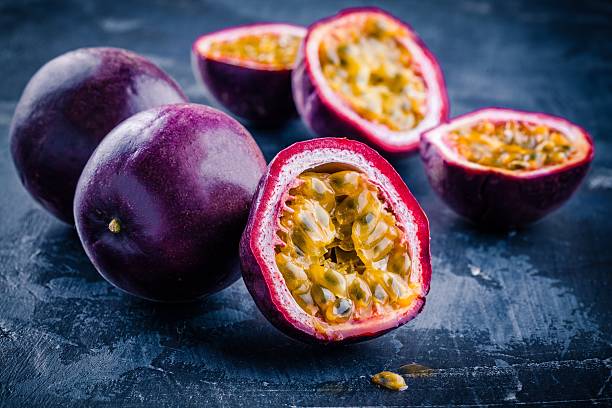
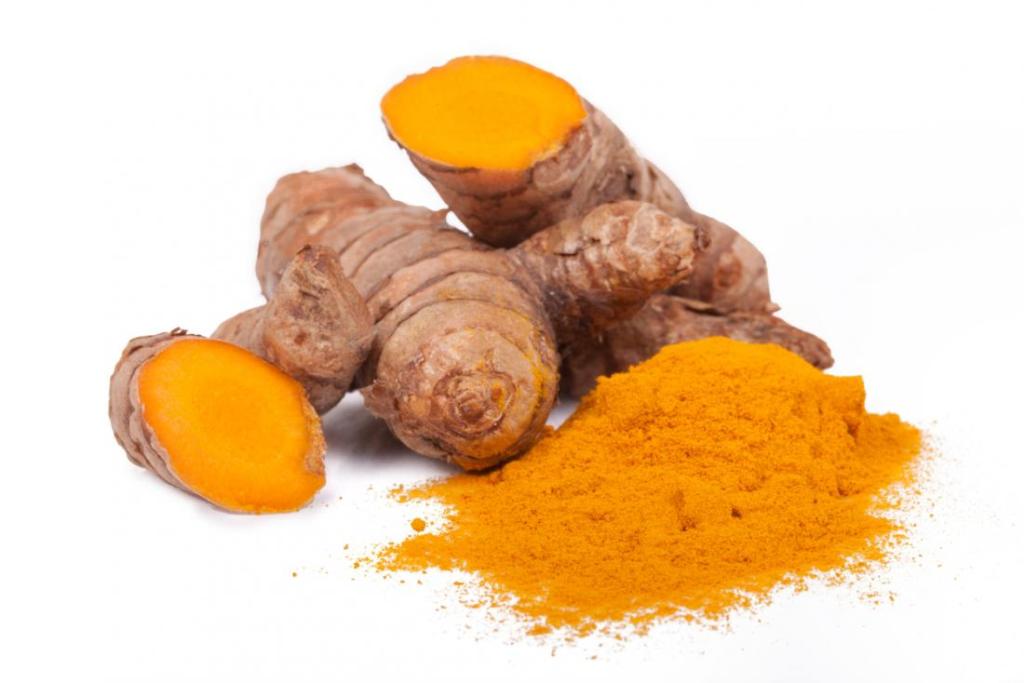
Step into Han Market at dawn and inhale Vietnam’s heartbeat. Star anise mingles with fresh mint, turmeric powders dust your fingertips, and bunches of basil release memories with every squeeze. Durian divides the crowd—some wrinkle their nose, others smile wide—but every scent is alive. The mango stall hums with sweetness while fish sauce bubbles nearby, sharp and salty. It’s not just a market. It’s an olfactory opera.

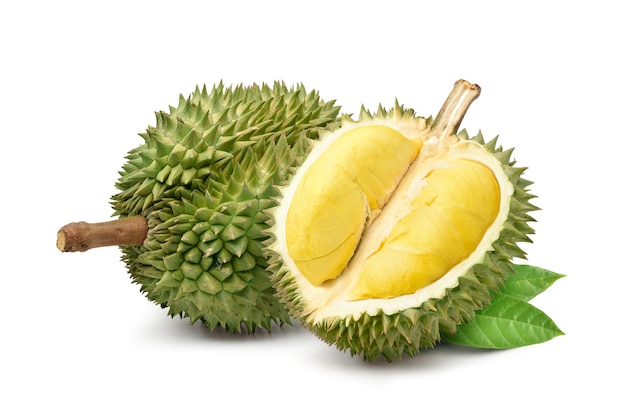
- 🌰 Durian – The King of Fruits
- Spiky on the outside, creamy and famously pungent on the inside.
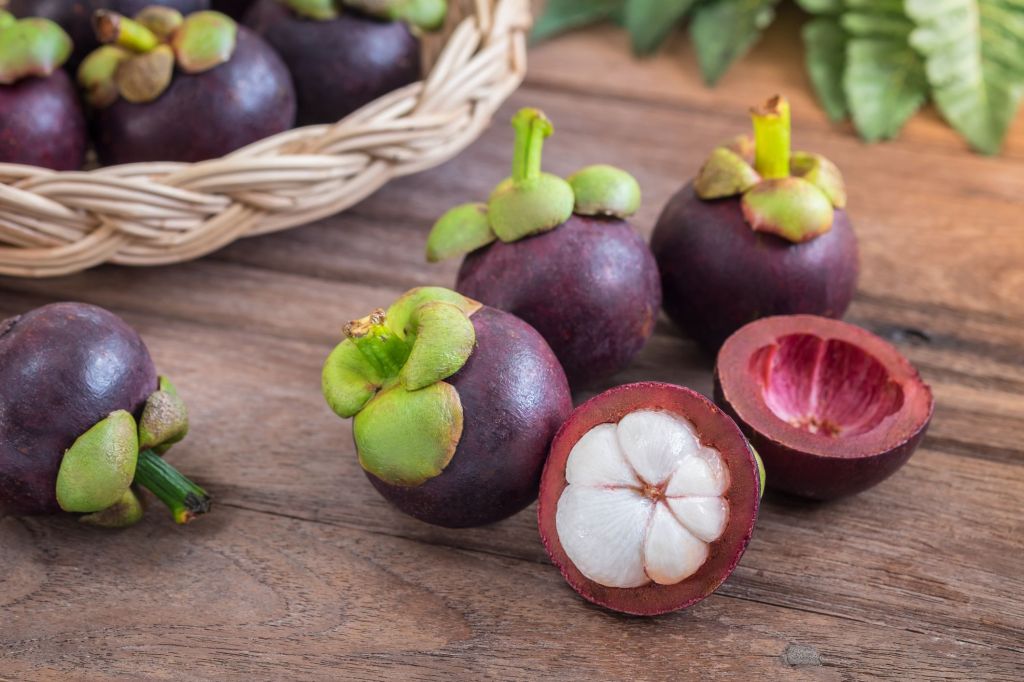
- 👑 Mangosteen – The Queen of Fruits
- Deep purple rind with soft, white segments inside—sweet, floral, and refreshing.
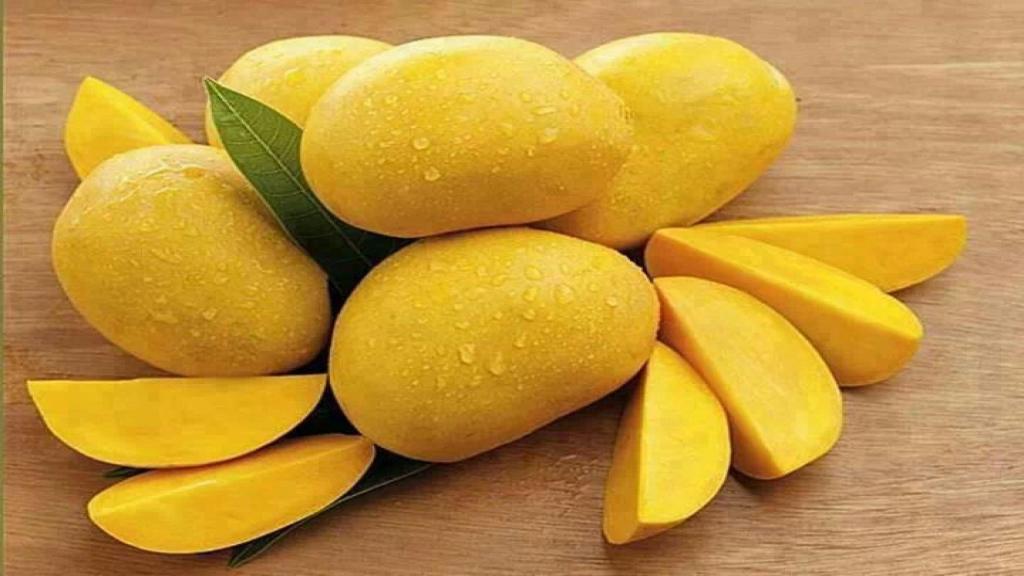
- 🥭 Mango – Sunshine in a Slice
- Golden flesh, juicy and fragrant—perfect fresh or in smoothies.
- 🌸 Passion Fruit – Tropical Tang
- Wrinkled skin hides a golden, seed-filled pulp bursting with sweet-tart flavor.
 GOOD MORNING DA NANG
Leave a comment