
Vietnam’s Coffee Culture
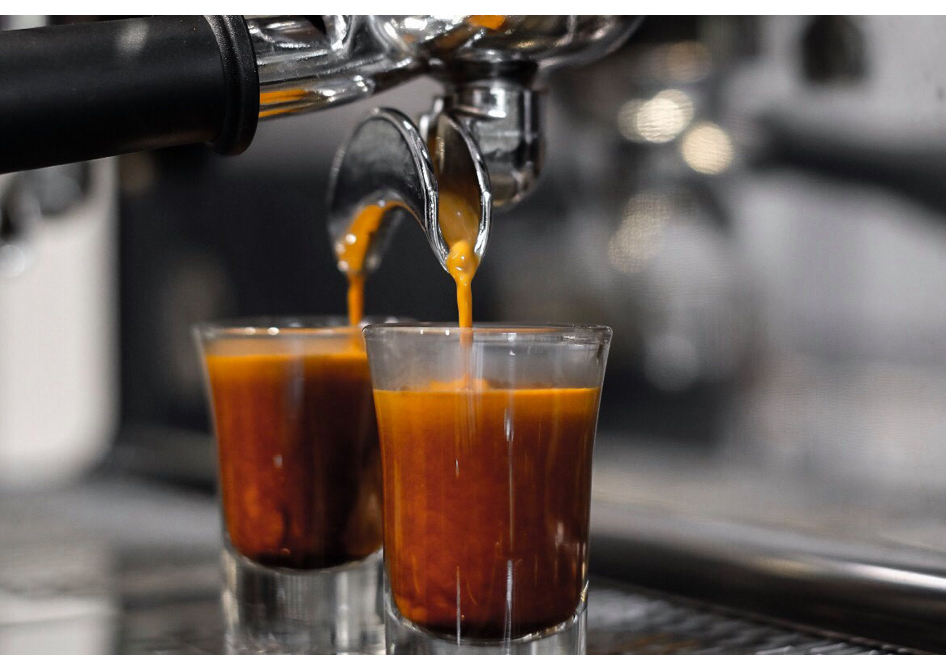
Vietnam is nothing short of a paradise for coffee lovers. Over the past century, coffee has become woven into the very fabric of Vietnamese daily life—fueling morning commutes, afternoon meet‑ups, late‑night conversations, and even business deals. Here’s why Vietnam’s coffee culture is so special, and a guide to the must‑try brews:
🌱 Origins & Beans
- Robusta Kingdom
Vietnam is the world’s second‑largest coffee producer, and over 90% of that crop is Robusta—heavier, more caffeinated, with a pronounced earthy‑chocolate bite and velvety crema. While Arabica grows in the highlands (Da Lat, Buôn Ma Thuột), Robustas thrive in the low‑elevation Central Highlands, giving Vietnamese coffee its bold backbone. - Processing Styles
Traditionally, beans are washed (fruit removed before drying) or natural‑dried (dried with fruit intact), yielding subtly different flavor notes—washed coffees are cleaner; naturals offer fruitier sweetness.
☕ The Brewing Ritual
Cà Phê Phin (Drip‑Filter Coffee)
- Method: A small metal “phin” filter sits atop your cup. Grounds are tapped in, hot water is added, and a slow, deliberate drip produces a concentrated brew.
- Why It’s Special: The ritual itself—measuring, waiting, watching the drips—is part of the enjoyment. It takes 4–6 minutes to brew, building anticipation for that first sip.
🥤 Iconic Vietnamese Coffee Drinks
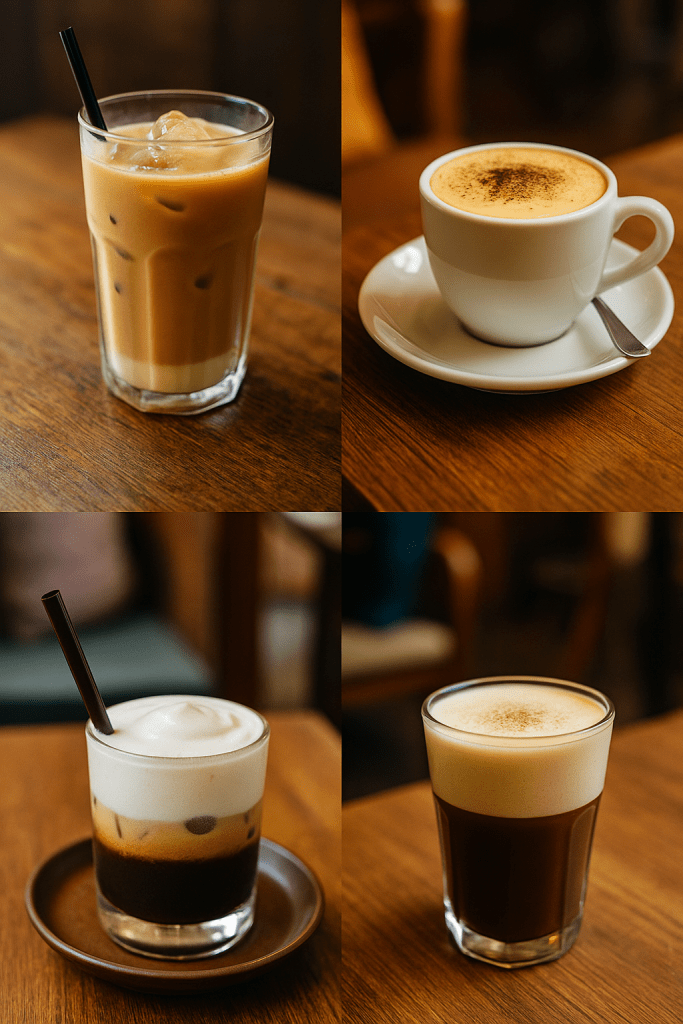
- Cà Phê Sữa Đá (Iced Milk Coffee)
- What: Phin‑filtered coffee dripping over thick, sweetened condensed milk, poured over ice.
- Flavor: Intensely bold yet lusciously sweet, with that brilliant contrast of hot brew and cold ice.
- Cà Phê Đen Đá (Iced Black Coffee)
- What: Same drip‑brew, no milk—just coffee and ice.
- Flavor: Pure Robusta punch, perfect to wake you up on a humid afternoon.
- Cà Phê Trứng (Egg Coffee)
- What: A “chaí” (teacup) of hot coffee topped with whipped egg yolk, sugar, and condensed milk foam.
- Flavor: Rich and custardy—think liquid tiramisu—born from wartime milk shortages in Hanoi.
- Cà Phê Dừa (Coconut Coffee)
- What: Some cafés blend or layer young coconut cream/pulp with coffee.
- Flavor: Creamy‑tropical; the coconut’s sweetness plays beautifully against robusta bitterness.
- Cà Phê Muối (Salted Coffee)
- What: A pinch of fine salt or salted cream added to the mix.
- Flavor: The saline accent heightens sweetness and rounds out the bitterness in an unexpectedly delightful way.
- Cà Phê Chuối (Banana Coffee)
- What: Mashed banana, condensed milk, and coffee all whipped together.
- Flavor: Fruity and thick—almost like a dessert milkshake with a caffeine kick
1. A Storied History
- Colonial Foundations (1857–1954)
The French introduced coffee to Vietnam in the 1850s, planting the first arabica trees in the high‑altitude regions of the Central Highlands. By mid‑20th century, Vietnam had developed its own distinctive coffee practices—most notably the use of sweetened condensed milk (due to fresh milk scarcity) and the iconic phin filter method. - Post‑War Adaptation & Robusta Boom
Following reunification in 1975, large‑scale state farms shifted toward robusta cultivation—cheaper, hardier, and higher‑yielding than arabica—which eventually made Vietnam the world’s #2 coffee exporter. Locals, meanwhile, turned robusta’s bold flavor into an everyday indulgence.
2. Social & Communal Rituals
- Street‑Side “Plastic” Cafés
Perhaps the most emblematic scene: patrons perched on low plastic stools along the sidewalk, sipping cà phê sữa đá while chatting, playing cards, or people‑watching. These informal cafés foster a genuine sense of community—neighbors catch up on news, friends plan weekend getaways, and business deals are struck over ice‑cold brews. - Coffee as Ceremony
In more formal settings—especially in the north—brewing cà phê phin is treated almost like a ceremony. The careful placement of the filter, the precise water temperature, and the slow drip builds anticipation and savoring. It’s common to see elders lingering over the same cup for 30–40 minutes, reading the paper or taking a midday pause.
3. Regional Specialties & Innovations
| Region | Specialty Drink | Notable Twist |
|---|---|---|
| Hanoi | Cà Phê Trứng (Egg Coffee) | Whipped egg yolk foam creates a creamy top |
| Saigon (HCMC) | Cà Phê Sữa Đá (Iced Milk Coffee) | Sweeter, sometimes topped with a layer of cream |
| Central Coast | Cà Phê Muối (Salted Coffee) | Small pinch of salt or salted cream accent |
| Da Nang | Cà Phê Dừa (Coconut Coffee) | Coconut cream blended for a tropical twist |
| Buôn Ma Thuột | Single‑Origin Arabica from Highlands | Floral, berry‑like notes prized by enthusiasts |
4. The Modern “Third‑Wave” Movement
Over the last decade, Vietnam’s specialty‑coffee scene has exploded:
- Artisanal Roasters: Small roasteries in Hanoi, Saigon, and Đà Lạt source single‑estate beans, roast to precise profiles, and focus on clarity of flavor—bittersweet chocolate, jasmine, tropical fruit.
- Coffee Education: Home‑barista workshops, cupping sessions, and “farm‑to‑cup” tours educate locals and tourists alike on varietals, terroir, and extraction techniques.
- Design‑Forward Cafés: Instagram‑worthy interiors with minimalist décor, lush greenery, and innovative presentations (e.g., coffee aeropress flights, latte‑art competitions).
- Sustainability & Fair Trade: A growing emphasis on direct trade relationships, organic farming methods, and eco‑friendly packaging—aligning Vietnam with global specialty‑coffee trends.
5. Coffee & Daily Life
- Fuel for Work & Study: From factory floors to university libraries, coffee is the elixir that powers long days and late nights. 24‑hour cafés and street vendors cater to everyone—from students cramming for exams to shift workers grabbing a quick caffeine boost.
- Cultural Connector: Coffee breaks are woven into business etiquette—both formal negotiations and informal partnerships often pause for a “cà phê” to build rapport.
- Social Media & Tourism: Coffee culture is now a magnet for travelers. Instagram stories flood with shots of dripping phins, egg‑coffee “selfies,” and chic café interiors—turning Vietnam into a global coffee destination.
6. Tips for Immersing Yourself
- Venture Off the Beaten Path: Ask locals for their favorite “hẻm” (alleyway) café—hidden gems often serve the truest, least‑touristy brews.
- Experiment with Add‑Ins: Try cà phê khuấy (stirred coffee) with banana or salted butter-infused cream in beach towns like Hội An or Đà Nẵng.
- Learn the Lingo: A friendly “cho tôi một cà phê sữa đá, nhiều đá” (one iced milk coffee, extra ice, please) goes a long way in connecting with baristas.
Vietnam’s coffee culture is far more than just a way to get your caffeine fix—it’s a vibrant social fabric, a testament to historical adaptation, and a driving force behind a modern specialty‑coffee revolution. Whether you’re perched on a plastic stool at 7 AM or sipping a coconut‑cream concoction at sunset, every cup tells a story of place, people, and passion.

 GOOD MORNING DA NANG